
Next-Gen Soldiers: Changing How Infantry Works with New Technology
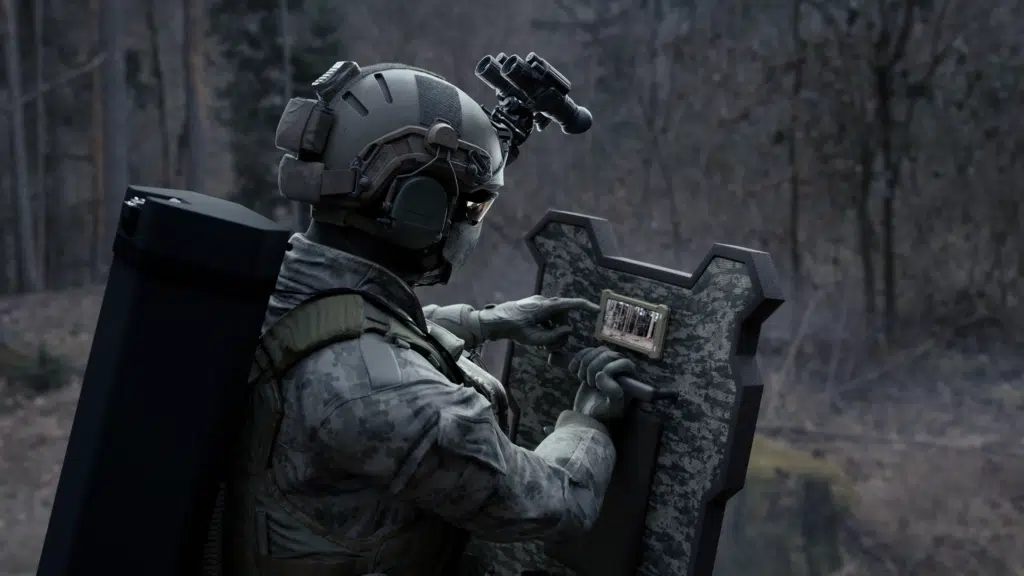
Modern warfare is changing quickly. Next-gen soldiers are using advanced technology to change the battlefield. From advanced communication systems to military drones, these innovations are revolutionizing how infantry operates, strategizes, and engages the enemy.
This article looks at new technologies that improve the effectiveness of today’s soldiers. It also discusses their impact on modern combat.
The Rise of New Technologies for Next-Gen Soldiers
Modern military forces rely heavily on advanced technologies to maintain a competitive edge. Among these, drones stand out as transformative tools. Both one-way attack drones and multi-purpose UAVs have become indispensable components of military strategies, offering unparalleled reconnaissance, surveillance, and combat capabilities.
One-way attack drones, designed for single-use missions, deliver precise payloads to high-value targets. These systems enable targeted strikes, reduce pilot risk, and lower operational costs. Their stealth and efficiency make them invaluable for scenarios demanding unexpectedness and minimal collateral damage, reinforcing their role in empowering next-gen soldiers.
Multi-purpose UAVs provide further versatility. These drones have high-resolution cameras, thermal imaging, and advanced sensors. They can do many tasks, including reconnaissance and resupply missions. Their adaptability enhances infantry effectiveness, ensuring soldiers receive the support they need in real-time.
Integrating Drones into Infantry Operations
In today’s military landscape, drone integration into infantry tactics is no longer futuristic—it’s a battlefield reality. To address this shift, the Army Futures Command (AFC) emphasizes “techcraft,” which blends tactical skills with technological proficiency. Consequently, soldiers today must master drones, robotics, and AI systems, all of which are essential for thriving in technology-driven combat.
At Fort Moore, Georgia, soldiers like PFC Joseph Marsh transition from traditional infantry roles to tactical robotic operators. User-friendly interfaces and streamlined training processes ensure soldiers adapt quickly. This efficiency illustrates how techcraft elevates both lethality and survivability, essential traits for next-gen soldiers.
In addition to drones, robotic vehicles are being deployed to assist infantry units. These machines transport supplies, evacuate the wounded, and even engage in combat. Their presence reduces the physical burden on soldiers, allowing them to focus on critical mission objectives.
Psychological and Strategic Impact of Drones
Drones offer more than tactical advantages; they have significant psychological impacts. Persistent surveillance by AI-equipped drones forces adversaries to alter tactics, creating unease. This constant observation often leads to mistakes, which can be exploited.
The psychological effect of drones extends beyond enemy forces. Soldiers equipped with drone support report increased confidence and morale. Knowing they have a constant eye in the sky providing real-time intelligence allows them to make informed decisions, reducing the risk of ambushes or unexpected encounters.
Additionally, drones disrupt enemy plans by compelling constant movement. Military analysts highlight how this forces adversaries into a reactive state, reducing their combat effectiveness. These advantages showcase the strategic value of drones in modern infantry operations and their role in empowering next-gen soldiers.
Enhancing Soldier Capabilities through Tech Integration
The future of soldier modernization undoubtedly centers on integrating diverse technologies. For example, the U.S. Army’s digitization efforts—termed “dismounted soldier systems”—equip soldiers with advanced communication tools, wearable tech, and augmented reality (AR) devices. As a result, these innovations ensure soldiers excel in multi-domain operations.
Advanced Communication Systems
Communication is the backbone of any military operation. Modern systems ensure secure, real-time communication between units, even in environments with heavy electronic interference. These tools allow commanders to relay orders instantly, while soldiers can report updates or request support without delay.
Augmented Reality (AR) Devices
In particular, AR technology provides soldiers with enhanced situational awareness. By overlaying critical information such as enemy positions, terrain maps, and mission goals directly onto their field of view, AR devices make it easier for soldiers to navigate complex environments.
Furthermore, these systems are especially helpful in urban warfare. For instance, they enable soldiers to distinguish between friends and enemies in real time. Ultimately, this capability can mean the difference between success and failure in high-stakes missions.
Wearable Technologies
Wearable tech, including health monitors and exoskeletons, is becoming standard issue for next-gen soldiers. Health monitors track vital signs, alerting medics to potential injuries or stress. Exoskeletons, meanwhile, enhance physical capabilities, allowing soldiers to carry heavier loads and move more efficiently across difficult terrain.
These technologies empower soldiers to operate more effectively, ensuring they can adapt to rapidly changing combat scenarios.
The Role of Artificial Intelligence in Next-Gen Soldiers
AI is revolutionizing defense technology, offering unprecedented operational capabilities. In the context of next-gen soldiers, AI enhances everything from situational awareness to predictive maintenance and autonomous decision-making.
Enhancing Situational Awareness
AI systems can process vast amounts of battlefield data from drones, satellites, and ground sensors in real time. By analyzing patterns and identifying anomalies, these systems provide military commanders with actionable insights. For instance, AI-powered drones can autonomously detect and track enemy movements, relaying crucial information to command centers. This capability allows for faster and more informed decision-making, ultimately reducing risks to human personnel.
Autonomous Weapons and Ethical Considerations
The development of autonomous weapons, often referred to as “killer robots,” has sparked ethical debates. These AI-driven systems can independently identify and engage targets, offering significant tactical advantages. However, they also raise concerns about the lack of human oversight in life-and-death decisions.
The European Union and U.S. Department of Defense have proactively addressed these challenges. Frameworks emphasize human oversight and accountability in deploying AI technologies. By ensuring these systems adhere to strict ethical and legal standards, militaries balance innovation with responsibility.
The Future of Infantry Warfare
As warfare continues to evolve, the importance of mastering both traditional and modern combat techniques grows. To address this need, the AFC’s techcraft approach ensures soldiers can navigate rapidly changing combat environments.
Additionally, emerging technologies are helping to reduce training complexity. In the near future, innovations will feature intuitive interfaces, enabling soldiers to adopt new tools with minimal instruction. Moreover, the role of drones will expand, with autonomous swarms conducting coordinated attacks and engaging in electronic warfare. Therefore, next-gen soldiers must be adept at leveraging these technologies for maximum battlefield impact.
Swarm Technology
Undoubtedly, swarm technology represents the next frontier in drone warfare. These cutting-edge systems consist of multiple drones working together, communicating autonomously to execute complex missions. As a result, swarms can overwhelm enemy defenses, conduct large-scale reconnaissance, and even engage in electronic warfare, effectively disrupting enemy communications and radar systems.
Future Soldier Training Programs
To prepare soldiers for these advancements, militaries worldwide are actively revamping their training programs. In addition to traditional methods, these programs now combine combat training with extensive technological education. For instance, virtual reality (VR) simulations and AI-driven training modules allow soldiers to practice complex scenarios in a controlled environment, thereby ensuring they are battle-ready.
Moreover, the integration of cutting-edge technology is transforming infantry effectiveness. From innovations like one-way attack drones to advanced communication and surveillance systems, these advancements offer new tactical and strategic advantages. Specifically, the idea of techcraft helps next-gen soldiers seamlessly mix traditional skills with modern technology. As a result, this blend keeps them resilient and effective in contemporary combat situations.
Looking ahead, as technology continues to evolve, soldiers will rely more heavily on these advancements to enhance their capabilities. The future of infantry warfare is clearly digital, and ultimately, those who adapt to this change will lead in future battles.


