
The Emerging Role of Startups in European Military Tech
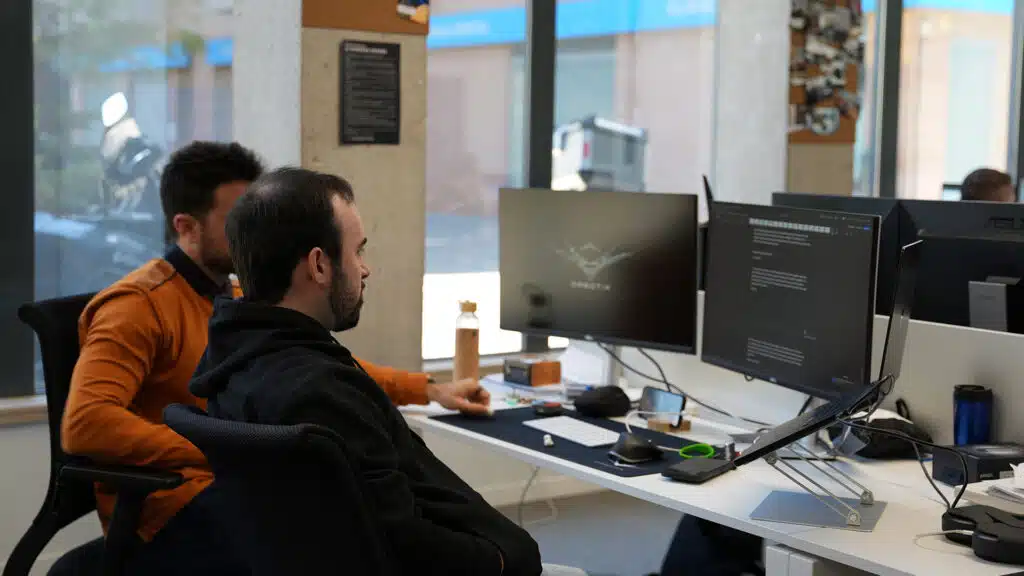
As geopolitical tensions rise and modern warfare evolves, the need for advanced military technology has never been more pressing. In Europe, the emerging role of startups is to meet this challenge by driving innovation to save lives and protect those who serve.
Startups are not only revolutionizing military tech but also reshaping the landscape of defense procurement and investment.
The Growth of Defense Startups in Europe
First and foremost, we at Orbotix Technologies would like to extend our gratitude to Sifted.eu for including us in their tech market map on defense and dual-use technologies for 2024. Their insightful analysis underscores the critical intersection of innovation and security, a domain we are deeply committed to.
Sifted.eu highlights several key points that resonate profoundly with our mission at Orbotix Technologies. The article emphasizes the investments in dual-use technologies, driven by the escalating geopolitical tensions and the pressing need for modernized defense systems. The European Investment Fund’s creation of a $175M fund to back venture capital and private equity funds in dual-use tech marks a significant milestone. This initiative aims to bridge the gap between cutting-edge technology and military applications, fostering an environment where startups can thrive.
More Investments in Defense
The geopolitical reality in Europe, as Sifted.eu notes, is hardening, with NATO preparing for potential conflicts. This scenario has propelled the tech community to explore the commercial potential of modernizing Europe’s military infrastructure. The taboo surrounding defense investments is gradually lifting, yet there remains a cautious approach from VCs who prefer the term “dual-use” to steer clear of lethal applications.
Moreover, our commitment extends beyond product development. We advocate for a seamless integration of new technologies within governmental frameworks. As Sifted.eu rightly points out, the U.S. has led the way by transforming its contracting procedures.
We believe that European governments must follow suit, adopting more flexible procurement processes to harness the full potential of emerging defense startups.
The analysis conducted by Sifted captures the dynamic landscape of defense and dual-use technologies, a sector poised for transformative growth. At Orbotix Technologies, we are proud to contribute to this future, developing technologies that enhance security while promoting peace. Together, with continued innovation and strategic investments, we can build a safer world.
Despite a general trend of diminishing fundraising rounds in various sectors, defense startups have shown remarkable resilience and growth. In 2023, the sector saw $614 million in deals, a significant increase from $408 million in 2022, according to Dealroom. This surge in investment is partly driven by the European Investment Fund’s announcement to create a $175 million fund of funds to back venture capital and private equity funds investing in dual-use technologies.
This growth is a direct response to the changing geopolitical landscape in Europe. With NATO preparing for potential military conflicts, particularly with Russia, there is a renewed focus on modernizing Europe’s armies. The tech community sees vast commercial potential in this modernization, leading to an increase in defense ventures, especially following Russia’s invasion of Ukraine.
Why Do We Need Dual-Use Technologies?
Historically, investing in defense has been taboo for many venture capitalists. There has been a preference for “dual-use” technologies—those with both commercial and military applications—to avoid the ethical and reputational risks associated with pure defense investments. However, this trend is slowly fading as the necessity for advanced military technology becomes more apparent.
European governments are beginning to recognize the importance of investing in military tech. While they remain the primary clients for defense startups, procurement processes have traditionally favored established defense companies. The challenge now is for European governments to become more flexible and willing to engage with innovative startups.
Learning from US companies
The United States provides a model for this transformation. After companies like SpaceX and Palantir sued the US Army for opaque procurement processes, the country reformed its contracting procedures, making it easier for startups to compete. European startups and governments could benefit from similar reforms, fostering a more inclusive and dynamic defense ecosystem.
Innovative Partnerships
Partnerships between startups and traditional companies are crucial for creating a new environment where innovation is not hindered by bureaucratic processes. By focusing on the needs of soldiers and operators, and by working with tools that can adapt to the challenges of this new era of robotics, technology can become more autonomous and effective in everyday operations.
Saving Lives Through Innovation
The ultimate goal of these technological advancements is to save lives—both military and civilian. Advanced AI and autonomous systems developed by startups can significantly enhance the effectiveness of military operations, reducing the risk to human soldiers. For instance, Orbotix develops AI-powered autonomous aerial systems designed to perform intelligence, surveillance, and mission-critical operations while minimizing risk to human operators. These systems enhance situational awareness, enable precise decision-making, and operate effectively in contested environments without exposing personnel to unnecessary danger.
Beyond autonomous platforms in the field, AI-powered decision-making tools can help military leaders make better-informed decisions, minimizing collateral damage and ensuring more precise operations. These technologies can also provide better protection for soldiers on the ground, offering advanced situational awareness and real-time threat analysis.
Protecting Our Heroes
Protecting those who serve is one of the main concerns for military organizations. We’ve witnessed the rise of defense companies that focus on different branches, such as wearable tech that monitors vital signs and environmental conditions and can help medics respond more quickly to injuries. Advanced communication systems ensure that troops remain connected and coordinated, even in the most challenging environments. Here at Orbotix, we focus on AI-powered drones that can enhance the safety and effectiveness of soldiers.
Additionally, innovations in personal protective equipment (PPE) and materials science lead to the development of more effective armor and protective gear. These advancements not only improve the safety of soldiers but also boost their confidence and morale, knowing they have the best possible protection.
The Road Ahead
As a European defense startup that continues to grow and innovate, we face both opportunities and challenges. Also, we can’t deny that the emerging role of startups is still needed to drive innovation and exceed expectations. However, our success will depend on the willingness of governments to adapt procurement processes and invest in these emerging technologies.
We strongly believe that traditional defense companies and startups will need to collaborate in this journey. By working together, we can combine experience and innovation to develop cutting-edge technologies that save lives and protect our heroes.
The emerging role of startups in European military tech is a vital development in the quest to enhance military capabilities while ensuring the safety and protection of those who serve. As these startups continue to innovate, they hold the potential to transform the defense sector, making significant contributions to both national security and the well-being of military personnel.
By fostering innovation and embracing new technologies, Europe can build a more robust and effective defense ecosystem that ensures our autonomy to be ready to face the challenges that the future might bring.
Discover how we’re setting new standards in defense technology by providing advanced solutions that anticipate and adapt to the evolving dynamics of security operations.


